October 2, 2026
Completing a major landscaping overhaul, garden redesign, or seasonal lawn renovation rejuvenates your outdoor living space, improves property aesthetics, and boosts overall home value. However, clearing away dense brush, removing overgrown tree limbs, stripping old turf, and excavating heavy soil generates massive volumes of organic debris that can quickly overwhelm standard residential trash bins. Leaving large piles of discarded branches, heavy sod, and excess dirt scattered across your lawn smothers healthy turf, attracts unwanted pests, blocks driveways, and creates unsightly hazards for family members. Managing heavy outdoor debris efficiently requires careful planning, proper sorting techniques, and an effective disposal strategy before breaking ground on your backyard transformation.
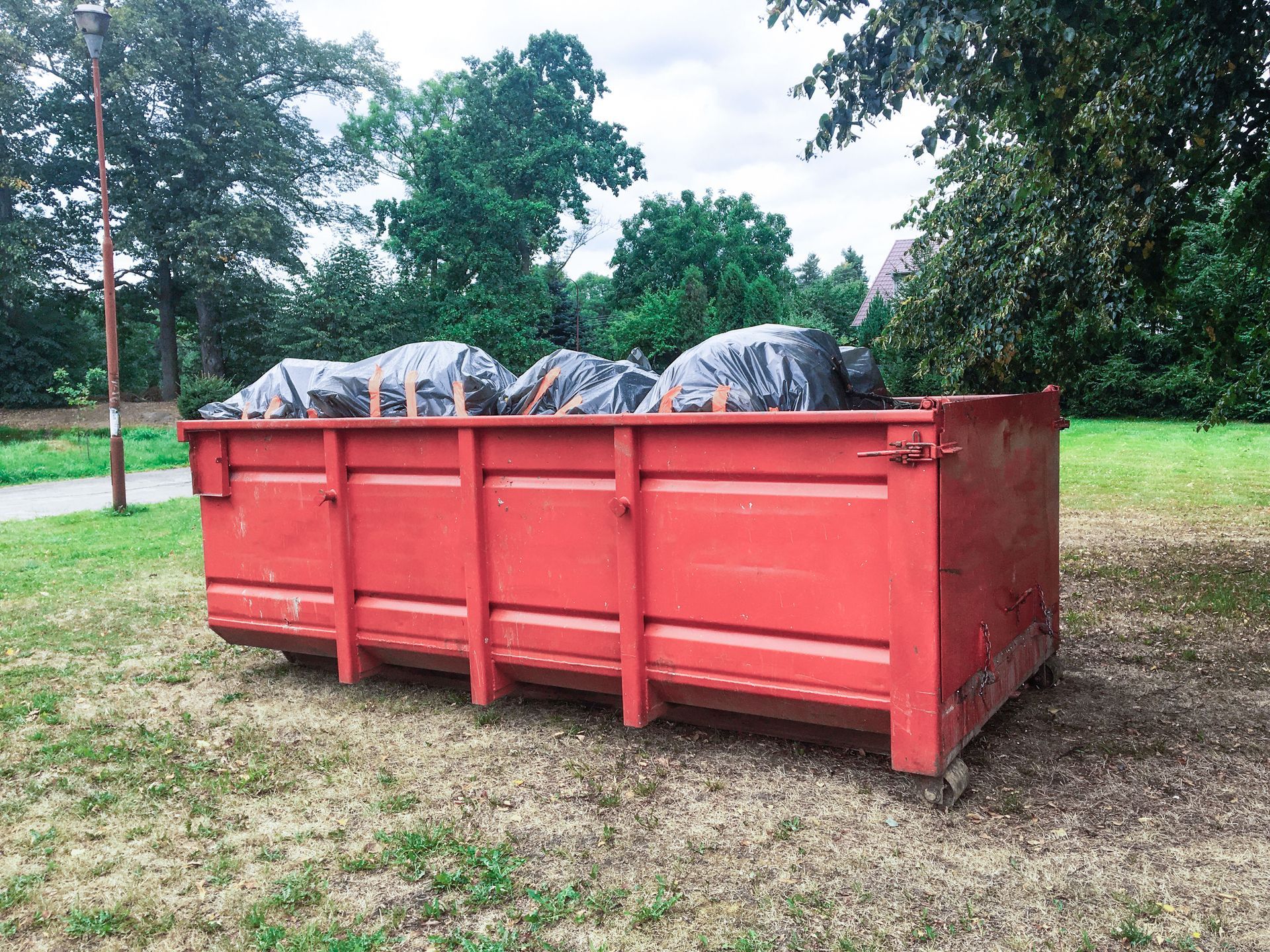
Handling organic waste involves unique physical challenges compared to standard household garbage due to its immense weight, bulk, and strict municipal disposal regulations. Many municipal waste programs enforce rigid restrictions on organic matter, banning heavy materials like dirt, rock, and thick logs from regular curbside pickup routines. Understanding proper disposal channels, recycling opportunities, and heavy-material containment methods simplifies project cleanup immensely, keeping your property clean, safe, and organized throughout every phase of renovation. Having the right containment resources makes a dramatic difference when clearing large properties; according to WifiTalents, a standard 20 yard dumpster can hold up to about 130 bags of trash. Partnering with professional disposal specialists ensures that your organic debris is contained quickly, transported safely, and processed responsibly.
Sorting Organic Debris for Efficient Disposal
Streamlining your landscape cleanup project begins with properly sorting discarded outdoor materials at the exact moment they are removed from the ground. Mixing heavy inorganic matter like soil and rocks with lightweight brush, leaves, and small twigs complicates recycling processes and makes manual loading far more physically exhausting.
Creating designated debris piles in your yard keeps work zones organized and prevents cross-contamination among different waste streams.
Clean wood, fallen branches, and tree trimmings can easily be chipped into protective garden mulch or processed into compost at local organic recycling facilities. Conversely, excavated soil, clay, and dense sod rolls require specialized heavy-material disposal channels due to their extreme density and weight. Organizing your outdoor material piles early streamlines loading procedures, minimizes physical strain on workers, and maximizes options for local recycling. Utilizing dedicated yard waste collection services ensures that your organic materials are processed through proper environmental channels rather than clogging local landfills unnecessarily.
Managing Heavy Sod and Excavated Soil
Removing old lawn turf and excavating garden beds generates immense physical weight that catches many homeowners off guard during DIY renovations. Stripping a lawn produces dense rolls of sod packed with moisture, roots, and soil, making manual handling exceptionally strenuous. Attempting to shovel heavy soil into standard plastic garbage bags inevitably results in torn bags, spilled dirt, and severe back strain for workers.
When handling massive soil excavation or lawn stripping projects, staging heavy materials near accessible loading pathways saves time and conserves physical energy. Using heavy-duty wheelbarrows or compact utility loaders accelerates material transfer across your yard while protecting healthy lawn areas from heavy foot traffic. Furthermore, arranging specialized disposal options for heavy inert materials prevents overloading standard transport containers. Coordinating dedicated yard waste collection for soil and sod guarantees prompt removal, allowing you to move forward with new planting, hardscaping, or lawn installation without delay.
Processing Large Tree Branches and Overgrown Brush
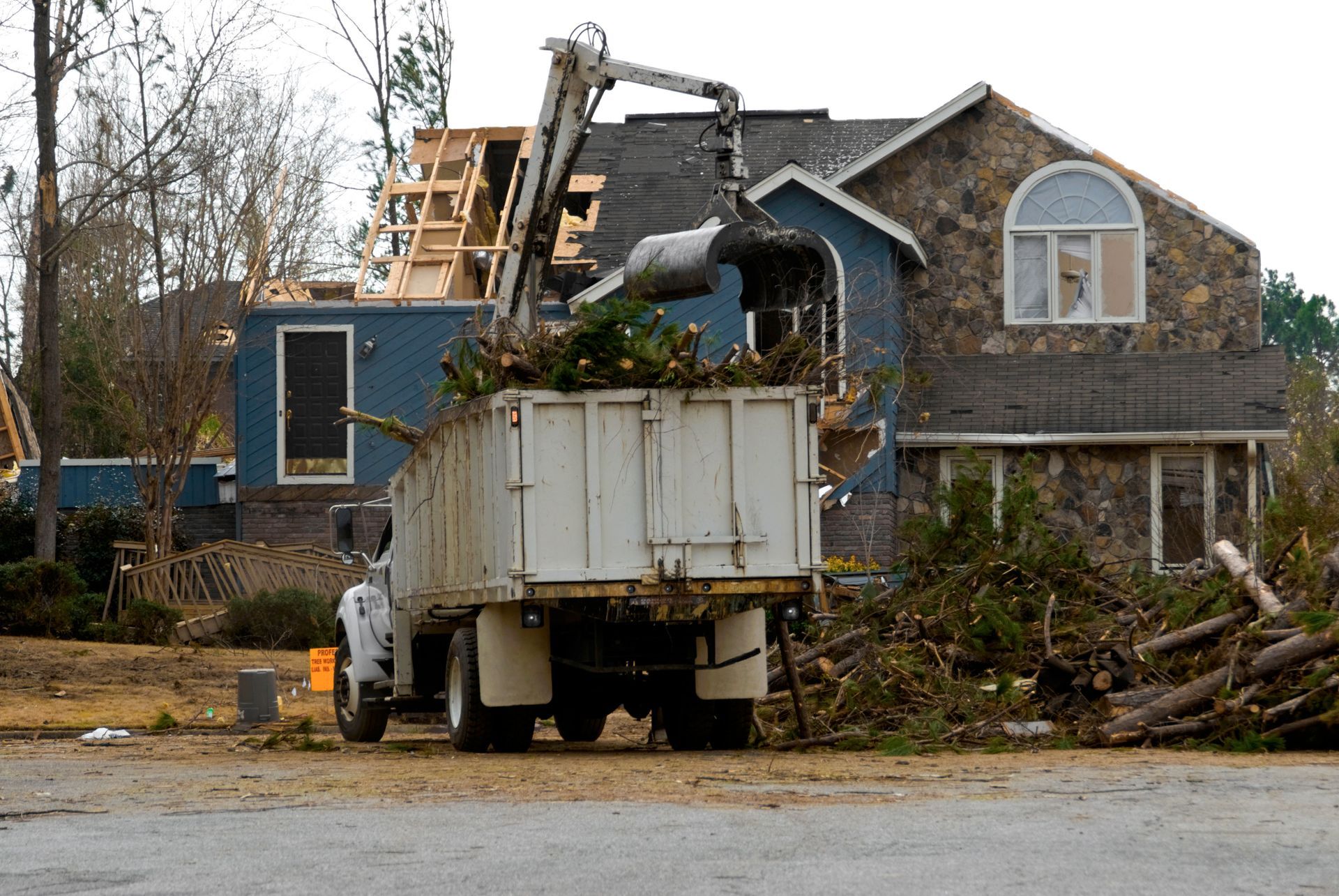
Trimming mature shade trees, cutting back overgrown perimeter hedges, and clearing dense underbrush generates bulky, awkward piles of woody material that occupy excessive yard space. Long, tangled branches with lateral limbs refuse to lay flat, quickly filling small containment bins while leaving massive empty gaps underneath. Unprocessed brush piles create dangerous trip hazards and provide temporary shelter for nuisance rodents and insects near your home.
To optimize space during cleanup, cut long branches into smaller, uniform lengths using a chainsaw or sharp hand lopper. Bundling smaller twigs together with natural twine or running branch trimmings through a wood chipper reduces overall volume dramatically, converting bulky brush into useful garden mulch for your plant beds. For massive clearing projects where chipping on-site is impractical, scheduling specialized yard waste collection ensures that large woody debris is hauled away in high-capacity containers designed specifically for heavy brush clearing.
Renting Heavy Containers for Streamlined Cleanup
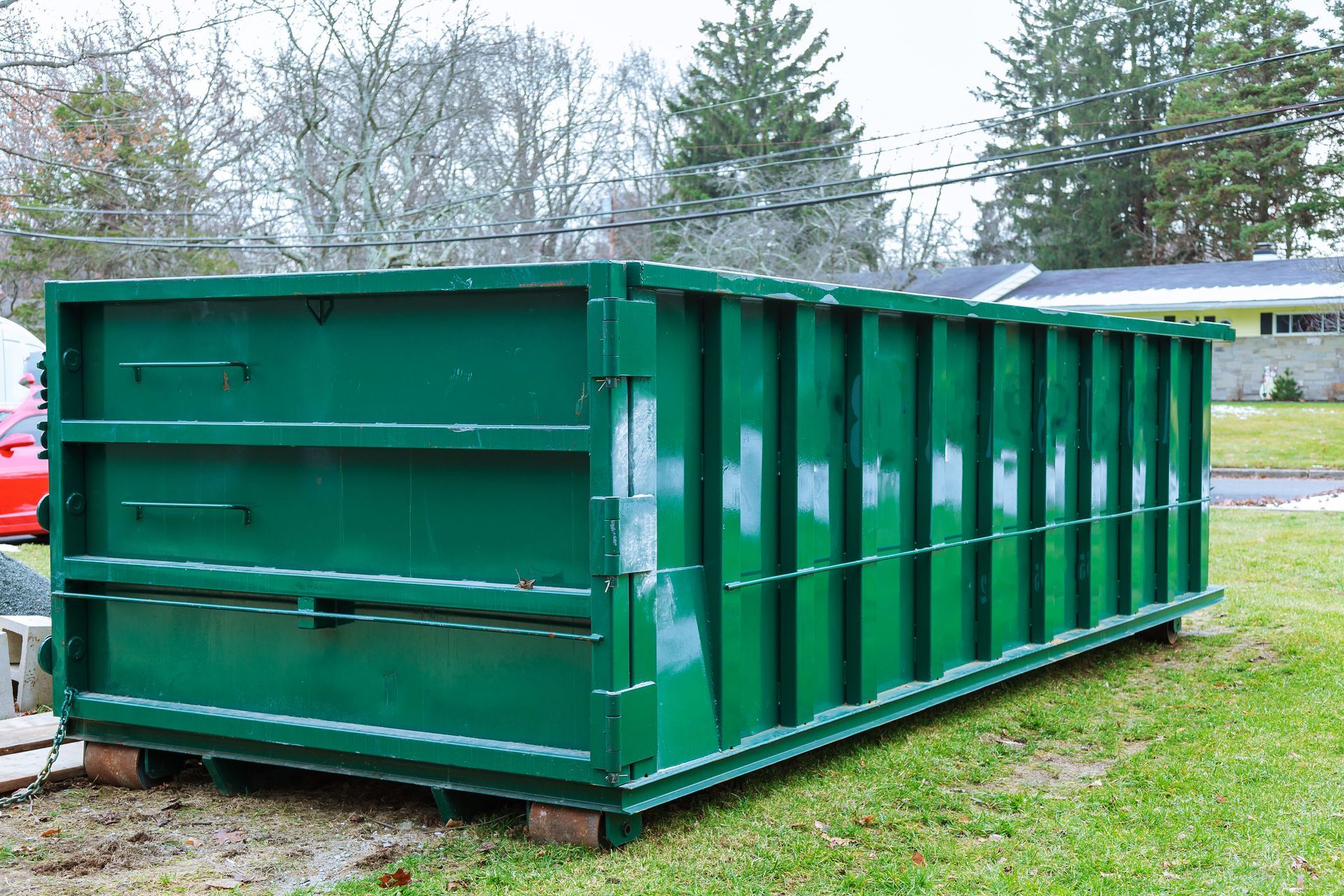
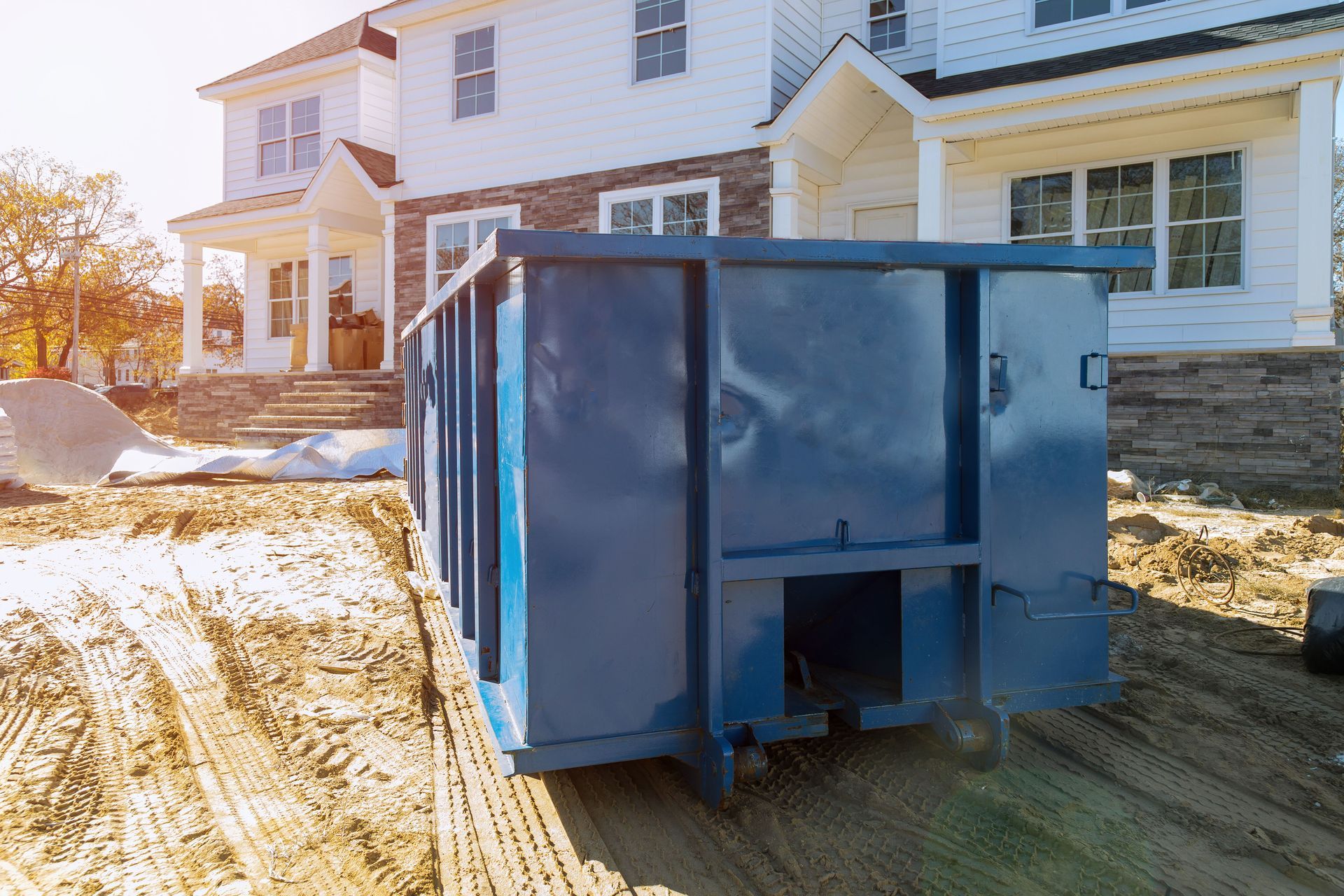
Relying solely on standard municipal curbside pickup bags for large-scale landscaping projects often leads to endless delays, strict bag-count limits, and weeks of waiting for weekly pickup cycles to clear your yard. Renting a dedicated roll-off dumpster directly on your property provides a centralized, high-capacity disposal hub that keeps your workspace clean, safe, and efficient throughout the entire renovation process.
Having a heavy-duty container parked on your driveway eliminates intermediate material stacking, allowing workers to deposit branches, sod, and dirt directly as work progresses. Roll-off containers feature wide swing-open rear doors, enabling workers to walk heavy wheelbarrows of soil and dense sod directly into the container without lifting over high sidewalls. Utilizing roll-off containers alongside professional yard waste collection provides a seamless, continuous disposal pipeline that prevents messy outdoor clutter and keeps your project moving smoothly toward completion.
Utilizing Eco-Friendly Recycling and Composting Channels
Modern environmental stewardship requires looking beyond simple landfill disposal for organic yard debris, seeking eco-friendly alternatives that benefit local ecosystems. Tree branches, woody brush, fallen leaves, and grass clippings represent valuable organic resources that can be transformed into nutrient-rich compost, soil amendments, and protective garden mulch rather than taking up precious space in regional landfills.
Local municipal composting facilities and commercial wood processors accept clean yard trimmings, processing them through large industrial shredders and high-temperature composting cycles. The resulting compost enriches local farm soil, stabilizes garden moisture, and reduces the need for synthetic chemical fertilizers across regional landscapes. Choosing eco-conscious disposal practices and scheduling dedicated yard waste collection supports local sustainability initiatives, ensuring that your discarded landscape materials are recycled into valuable organic products that nourish future green spaces.
Preventing Safety Hazards and Lawn Damage
Conducting a major landscape overhaul requires prioritizing personal safety and protecting undamaged lawn areas, paved driveways, and underground utility infrastructure. Dragging heavy tree limbs, piling wet sod directly on healthy grass, or wheeling overloaded soil carts across damp lawns can cause severe soil compaction, turf die-off, and expensive property damage that requires secondary repairs.
To protect your property during cleanup, lay thick plywood sheets over soft grass pathways to distribute heavy wheelbarrow weight evenly and prevent deep wheel ruts. Wear protective gloves, steel-toe boots, and safety eyewear when handling thorny brush, sharp branches, and heavy soil loads. Furthermore, avoid piling heavy organic materials near utility meters, HVAC units, or structural house walls. Arranging reliable yard waste collection eliminates dangerous material piles quickly, preserving your lawn's health and creating a safe environment for your family throughout your renovation project.
Enjoying Your Transformed Outdoor Living Space
Transforming your landscape into a beautiful, functional outdoor sanctuary should be an exciting and rewarding home improvement journey, not a stressful ordeal overwhelming your property with messy debris. By sorting organic materials early, managing heavy sod and soil correctly, cutting bulky brush into manageable lengths, renting convenient waste containers, choosing eco-friendly recycling channels, and maintaining strict safety standards, you simplify landscape cleanup immensely.
At American Eagle Waste Industries, we are deeply committed to simplifying your outdoor cleanup projects, keeping your property pristine, and providing exceptional debris management solutions through superior trade expertise, reliable equipment, and dedicated customer care. By tailoring every disposal service to match your specific renovation timeline and budget parameters, our crew ensures a seamless, stress-free experience that delivers complete satisfaction and peace of mind. Contact us today to schedule your yard cleanup service and discover how our dedicated team can keep your landscape transformation running smoothly.