July 4, 2026
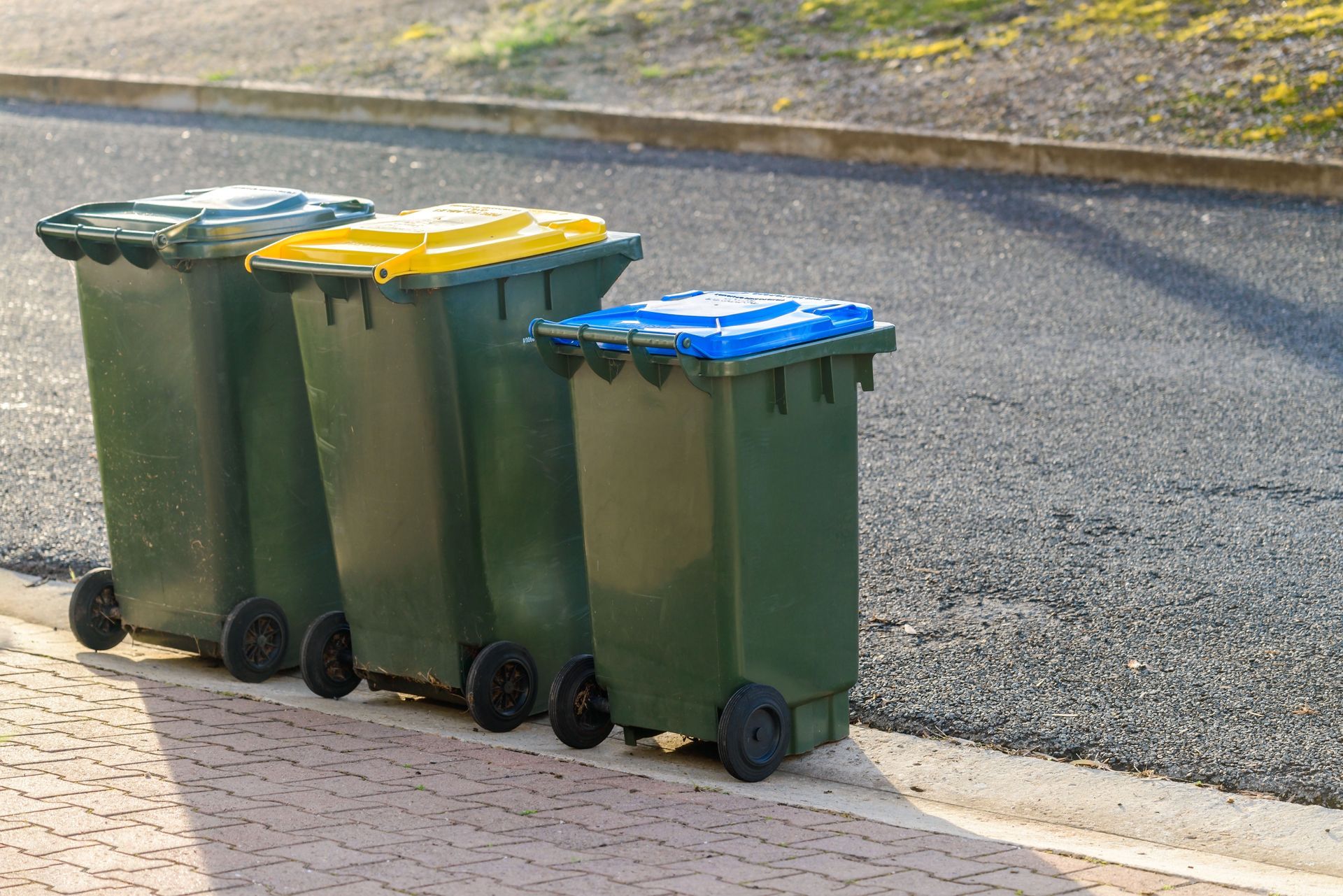
Many households strive to reduce their environmental impact by sorting their discarded items into designated bins, hoping to divert useful materials from landfills. This daily act of stewardship is vital for conserving natural resources, reducing energy consumption, and keeping neighborhoods clean. However, the path from a residential bin to a processing facility is often disrupted by confusion over what can actually be processed. This confusion often leads to useful materials being discarded with standard trash, where they are permanently lost to landfills. According to The Recycling Partnership, 76% of recyclables are lost at the household level, underscoring the importance of providing all households with recycling services. This significant loss highlights the critical need for clearer education and more accessible services for local neighborhoods. When families understand exactly which everyday items can be reclaimed, they can participate more effectively in municipal programs. Establishing consistent habits around common residential items can dramatically improve the success of local environmental initiatives. By examining the most common materials that are suitable for processing, households can optimize their daily habits and contribute to a much cleaner, more sustainable community.
1. Clean Paper and Cardboard Products
Paper and cardboard represent a massive portion of the clean materials generated in residential areas, making them prime candidates for processing. Shipping boxes, cereal cartons, junk mail, newspapers, and office paper are highly sought after by processing facilities because their fibers can be washed, broken down, and spun into fresh packaging materials. When shipping boxes accumulate from online deliveries, collapsing them flat is essential to maximize space inside your designated bin. However, the success of this process relies heavily on keeping these paper products dry and free of contaminants. Moisture causes paper fibers to weaken, making them unusable for manufacturing new products. Furthermore, food residue is a severe pollutant that can ruin entire batches of clean paper. Grease from food containers dissolves into the paper fibers during processing, creating weak spots in newly manufactured cardboard. For this reason, greasy food packaging must be discarded with standard waste, while clean, dry paper products should always be directed to the processing bin. By separating clean writing paper, newspaper, and flattened cardboard from contaminated items, residents help preserve the quality of these valuable wood fibers.
2. Plastic Bottles and Rigid Containers
Plastic packaging is incredibly common in modern households, wrapping everything from laundry detergents and shampoos to milk, water, and condiments. Many of these rigid containers are made from durable polymers that can be melted down and pelletized to create new consumer goods, building materials, and textiles. To ensure these containers are successfully processed, residents must focus on rinsing out any remaining liquid or soap residue before disposal. Leftover liquids can contaminate other materials in the sorting facility, causing machinery malfunctions or attracting pests. While bottles and jugs with narrow necks are almost universally accepted, wider tubs and flimsy plastic films often require different handling methods. It is helpful to remember that different plastics have different processing requirements, meaning that items must be categorized correctly at the municipal level, while items like organic debris require specialized yard waste collection services. Leaving caps screwed onto rinsed bottles is generally recommended by modern sorting facilities, as it prevents those small caps from falling through sorting screens. Emptying, rinsing, and properly binning these rigid containers ensures that these long-lasting polymers are kept out of natural habitats.
3. Aluminum and Steel Cans
Metal packaging is highly valued by manufacturing industries because metals like aluminum and steel can be melted and reformed repeatedly without losing strength. Beverage cans, soup cans, vegetable tins, and pet food containers are standard fixtures in household kitchens that can be processed with exceptional efficiency. Slicing through these metal tins is a common occurrence, but many residents overlook the importance of preparing them for the bin. A simple rinse to remove food particles is all that is required to make these metal items ready for processing. It is also beneficial to leave the metal lids attached to the cans or push them inside the container so they do not get separated during sorting, as small metal shards can damage sorting machinery. Unlike paper, which degrades after repeated processing cycles, metal can be reclaimed indefinitely, making it highly sustainable. Utilizing these metals to create new products consumes a fraction of the energy required to refine raw ore. By consistently returning every clean metal can to the system, households reduce the demand for destructive mining operations.
4. Glass Jars and Beverage Bottles
Glass containers used for food and beverages are completely inert and can be melted down and reformed indefinitely to create fresh bottles and jars. This continuous loop prevents massive amounts of silica from being extracted from natural environments, preserving ecosystems while saving industrial energy. Common household items like pasta sauce jars, pickle jars, olive oil bottles, and beverage glass are easily processed through local programs. Before placing these glass containers into the bin, removing metal lids and rinsing away food residue is highly beneficial, as metal lids can be processed separately with other metals. It is critical to distinguish food-grade glass from other glass types, such as windows, mirrors, drinking glasses, and lightbulbs. These non-container glass items are manufactured with different chemical compositions and higher melting points, meaning they will ruin an entire batch of container glass if mixed together. Keeping your glass containers separated and clean ensures they can be melted down smoothly at the processing plant, just as leaves and branches should be separated for yard waste collection rather than going into standard bins. Separating these materials carefully prevents contamination and ensures high-quality glass remains in continuous use.
5. Organic Debris and Yard Materials
Organic materials generated from maintaining lawns, gardens, and flowerbeds represent another major category of residential items that can be successfully processed and returned to the earth. When homeowners mow lawns, prune bushes, rake leaves, or clear away dead plants, they produce organic debris that should never be sent to a standard landfill. In a landfill, organic waste is packed tightly beneath trash, depriving it of oxygen and causing it to release harmful gases during decomposition. To prevent this damage, relying on a dedicated yard waste collection system is the most effective approach. This specialized service routes organic debris to municipal composting facilities, where materials are shredded, piled, and allowed to decompose under controlled, oxygen-rich conditions. The resulting nutrient-rich compost is used to enrich soil in local parks, agricultural fields, and residential gardens, completing a natural cycle of growth. Ensuring that only clean organic materials enter this stream is vital, as plastic bags, garden hoses, and metal tools can ruin composting machinery and contaminate the finished soil. By coordinating with your local yard waste collection schedule, you can easily divert these natural materials from landfills, ensuring they are transformed into valuable soil amendments that support future growth.
Developing a consistent and accurate routine for managing your household waste is one of the most impactful choices you can make for the health of your local environment. When households take the time to properly separate clean paper, empty plastic bottles, metal cans, glass jars, and organic debris, they prevent valuable materials from being lost forever to landfills. This collective effort reduces environmental pollution, conserves natural resources, and builds a stronger, cleaner community for everyone to enjoy. At American Eagle Waste Industries, we are proud to offer dependable recycling and
yard waste collection services that make it simple and convenient for families to participate in these vital environmental efforts. Our dedicated team is committed to providing clear guidance and reliable waste management solutions that meet the unique needs of your neighborhood. We believe that by working together to implement responsible habits, we can significantly reduce waste and protect our local ecosystems. Let us help you manage your household materials safely and efficiently, ensuring that every reusable resource is successfully returned to the manufacturing and natural loops.